When it comes to packaging materials, businesses today are looking for solutions that are durable, cost-effective, and environmentally friendly. In this quest, PP woven fabric has gained a solid reputation as one of the most reliable and versatile materials available. However, businesses often find themselves deciding between various types of fabrics for their packaging needs. Two common alternatives are cotton and nylon, each with its own strengths and drawbacks. In this post, we will compare PP woven fabric with these other fabrics, examining key factors like strength, cost, and environmental impact, to help you understand why PP woven fabric is often the best choice for your packaging requirements.
What is PP Woven Fabric?
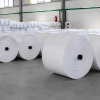
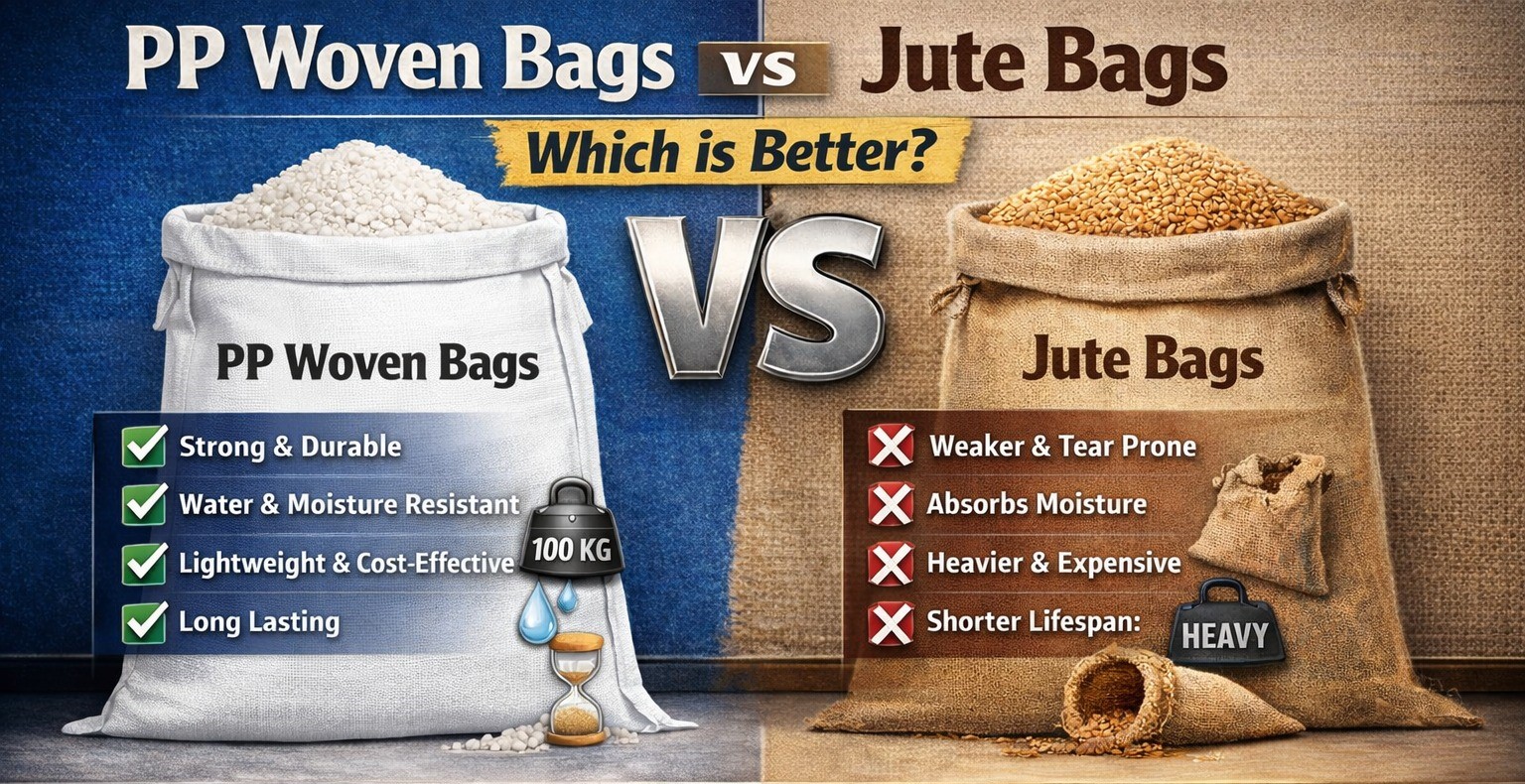
PP woven fabric is made from polypropylene, a thermoplastic polymer that is spun into fibers and woven together to form a durable and strong fabric. It is highly resistant to moisture, chemicals, and abrasion, making it an ideal material for various applications, from PP woven bags to industrial uses. The fabric can be customized in terms of thickness, weave density, and weight, making it suitable for both light and heavy-duty uses.
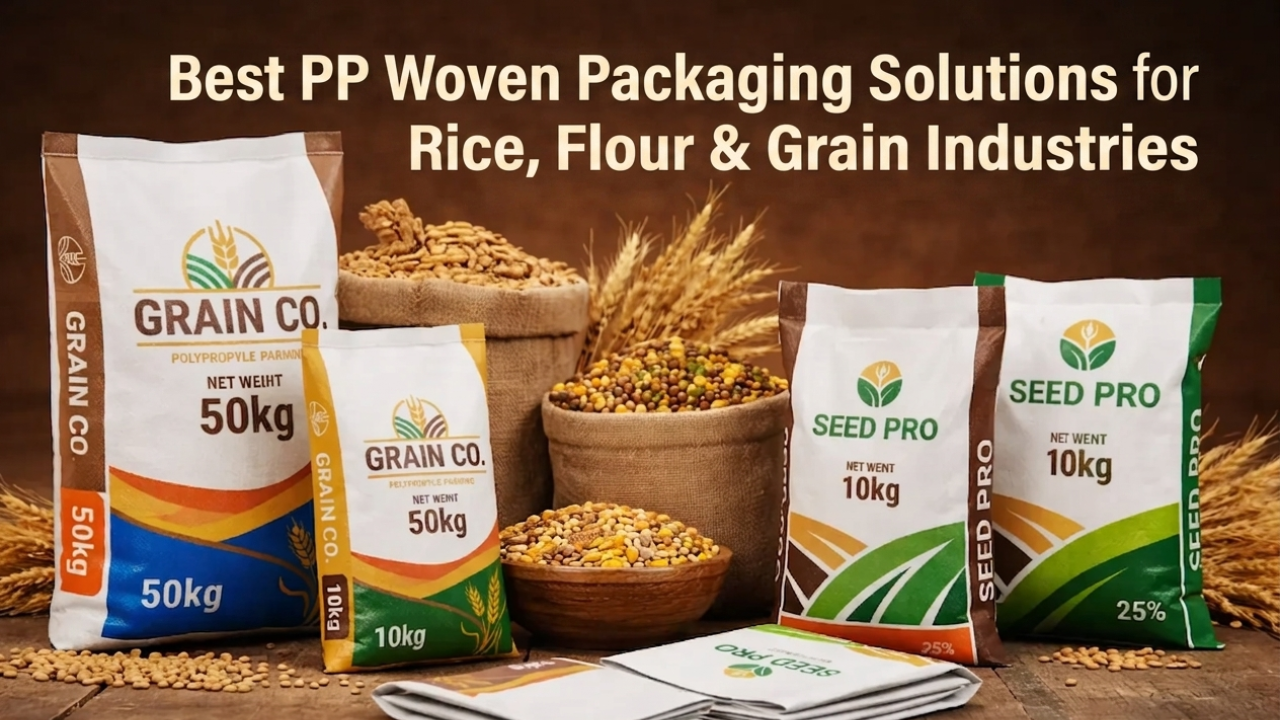
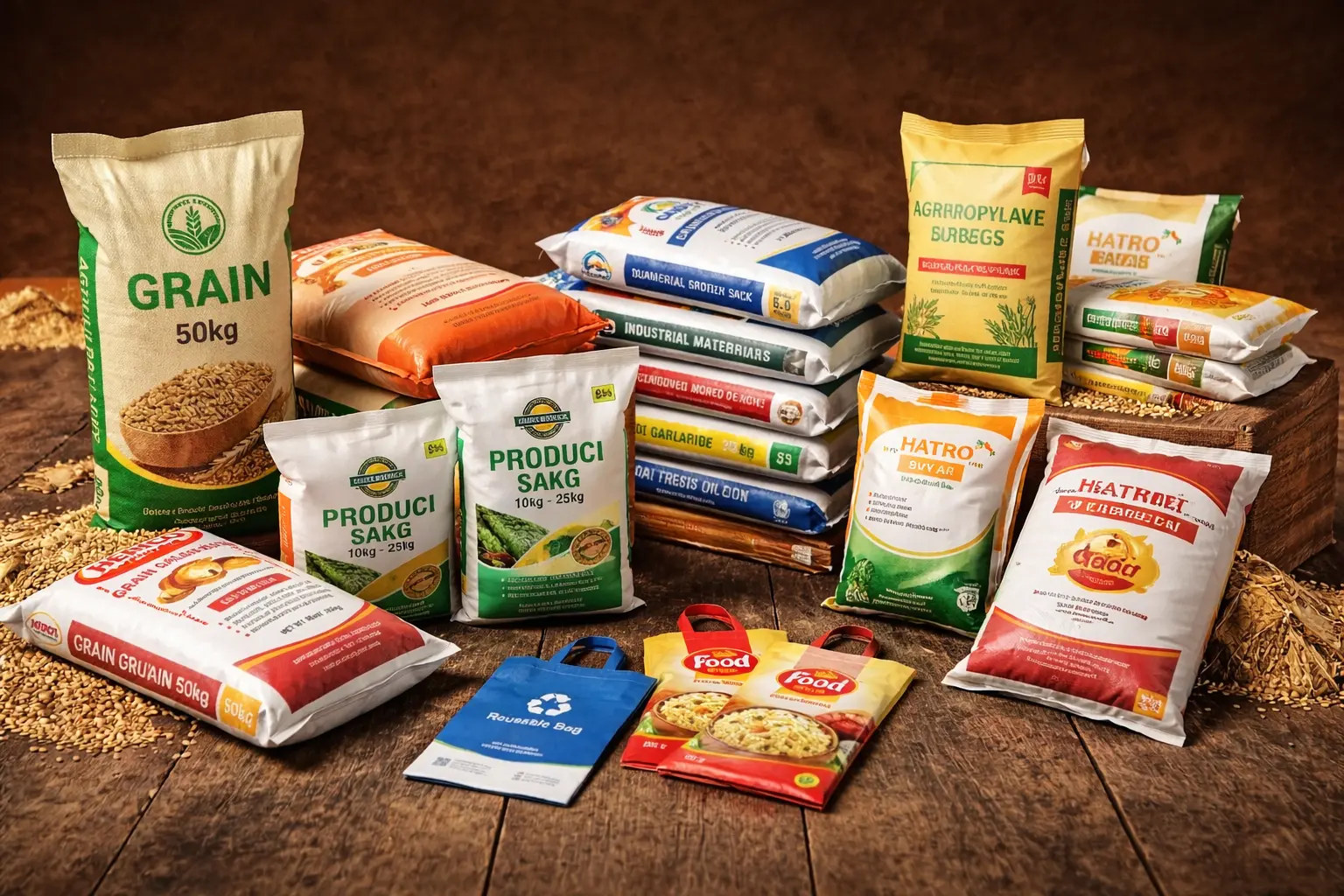
This fabric is primarily used for packaging bulk goods in a variety of industries, including agriculture, chemicals, food, and retail. The versatility, coupled with its strength and recyclability, positions PP woven fabric as a go-to option in the packaging world.
How Does PP Woven Fabric Compare to Cotton and Nylon?
1. Strength and Durability
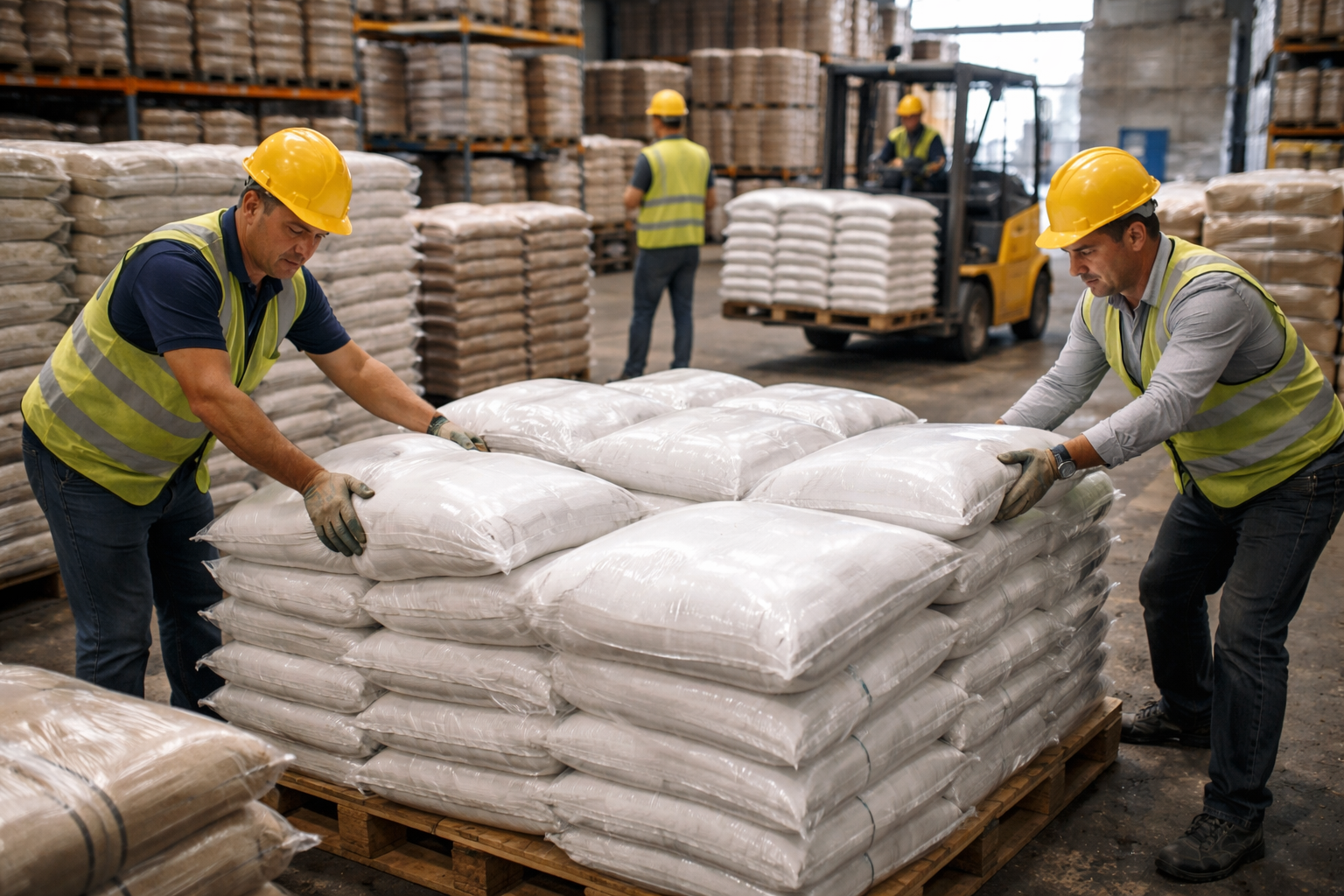
Strength is often the most critical factor when it comes to choosing a fabric for packaging. PP woven fabric excels in this area due to its robust structure and the properties of polypropylene itself. It is engineered to withstand heavy loads, rough handling, and harsh weather conditions, making it perfect for transporting heavy-duty items.
On the other hand, cotton is relatively soft and does not provide the same level of strength as polypropylene. While cotton is a natural fiber, it tends to break down under stress and exposure to moisture. Nylon is stronger than cotton, but it still doesn’t offer the same abrasion resistance as woven polypropylene. Additionally, nylon fabric can be more prone to tearing compared to PP woven bags, which are designed with superior strength in mind, making them a preferred choice for heavy-duty packaging like fertilizers, sand, and grains.
PP woven fabric holds its own in extreme conditions, whereas cotton and nylon may not provide the same level of protection for goods over the long term.
2. Cost
When comparing the costs of packaging fabrics, PP woven fabric is a standout winner in terms of affordability. The manufacturing process for polypropylene is relatively inexpensive, and PP woven bags can be produced at a low cost. The cost efficiency of PP woven fabric makes it an attractive option for businesses looking to balance quality and price.
Cotton, being a natural fiber, tends to be more expensive, particularly in large quantities. This is due to higher production costs and the fact that cotton is often produced under more labor-intensive conditions. Similarly, nylon is a synthetic fabric but tends to be more expensive than PP woven fabric due to the manufacturing process and its chemical properties.
For businesses on a budget, PP woven fabric offers the best balance of quality and cost-effectiveness.
3. Environmental Impact
Environmental impact is a critical concern in today’s eco-conscious world. Here, PP woven fabric and its alternatives—cotton and nylon—differ in important ways.
Cotton, while natural, has a significant environmental footprint in terms of water usage, pesticides, and energy consumption during its growth and manufacturing process. Cotton fields require extensive water resources and pesticides, making it less sustainable compared to PP woven fabric, which is made from polypropylene, a recyclable material.
Nylon, although strong and durable, is a petroleum-based product, and the production of nylon fabric contributes to carbon emissions. Additionally, nylon is not as easily recyclable as PP woven bags. In contrast, PP woven fabric is a more environmentally friendly option because it can be recycled, reducing its impact on landfills.
Although PP woven fabric is not entirely biodegradable, it offers better recycling potential than cotton and nylon, making it a more sustainable choice in the long run. PP woven bags manufacturers are increasingly moving toward more eco-friendly manufacturing practices, making the material even more appealing for companies that prioritize sustainability.
4. Versatility
PP woven fabric is extremely versatile. It can be used in a variety of applications, including PP woven bags, heavy-duty woven polypropylene bags, tarpaulins, and industrial packaging materials. The fabric can be produced in a variety of forms to suit different needs, from lightweight woven polypropylene for retail packaging to heavy-duty woven polypropylene for bulk goods.
While cotton can also be used in packaging, it is less versatile due to its susceptibility to wear and tear, especially in rough environments. Nylon, although strong, is generally more suited to products like clothing and outdoor gear than for industrial packaging.
The adaptability of PP woven fabric makes it the best all-around option for businesses in need of a material that can perform across a wide range of industries and applications.
Why PP Woven Fabric Is the Best Choice for Your Packaging Needs
When it comes to packaging, businesses need a material that is strong, cost-effective, and sustainable. PP woven fabric checks all these boxes. It offers unmatched strength, especially for heavy-duty applications, and is significantly cheaper than cotton and nylon, which makes it ideal for large-scale operations. Additionally, its environmental benefits—especially its recyclability—make it a better option for businesses looking to reduce their carbon footprint.
For businesses involved in agriculture, construction, food, and chemicals, PP woven bags and woven polypropylene materials provide a solution that ensures product protection, reduces costs, and minimizes environmental impact.
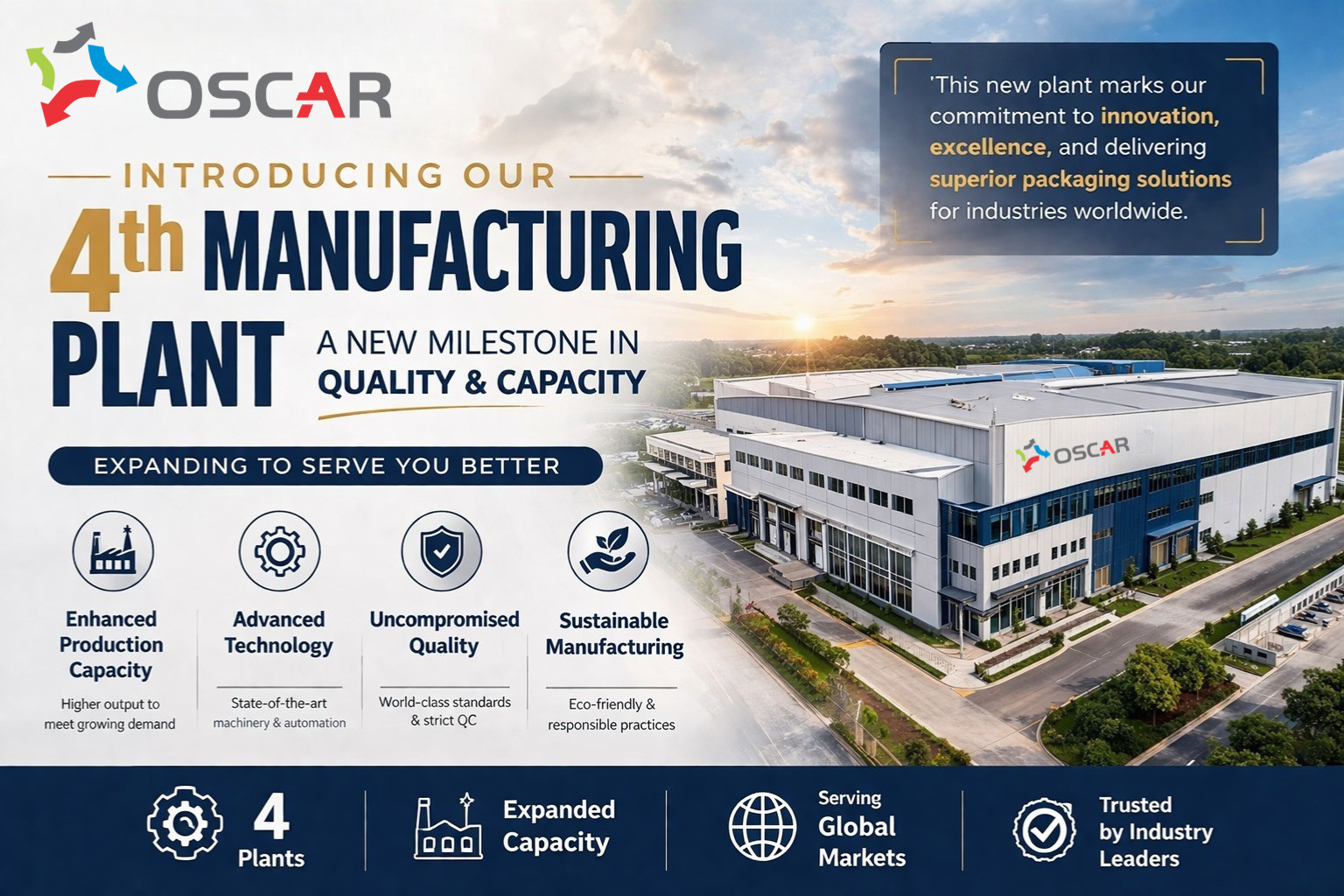
Oscar Polypack, a leading PP woven bags manufacturer, has been providing high-quality, customizable woven polypropylene solutions for businesses across various sectors. With a focus on delivering strength, reliability, and sustainability, we help our clients choose the best packaging options for their specific needs.
Conclusion
Choosing the right packaging fabric for your business can make a significant difference in your operations. While cotton and nylon may have their places in specific applications, PP woven fabric stands out as the most practical and sustainable choice for most businesses. With its excellent strength, cost-effectiveness, and environmental benefits, PP woven fabric is the go-to material for high-performance packaging.
For more information on how Oscar Polypack can help you choose the right packaging solution, explore our range of PP woven bags and woven polypropylene materials today.